
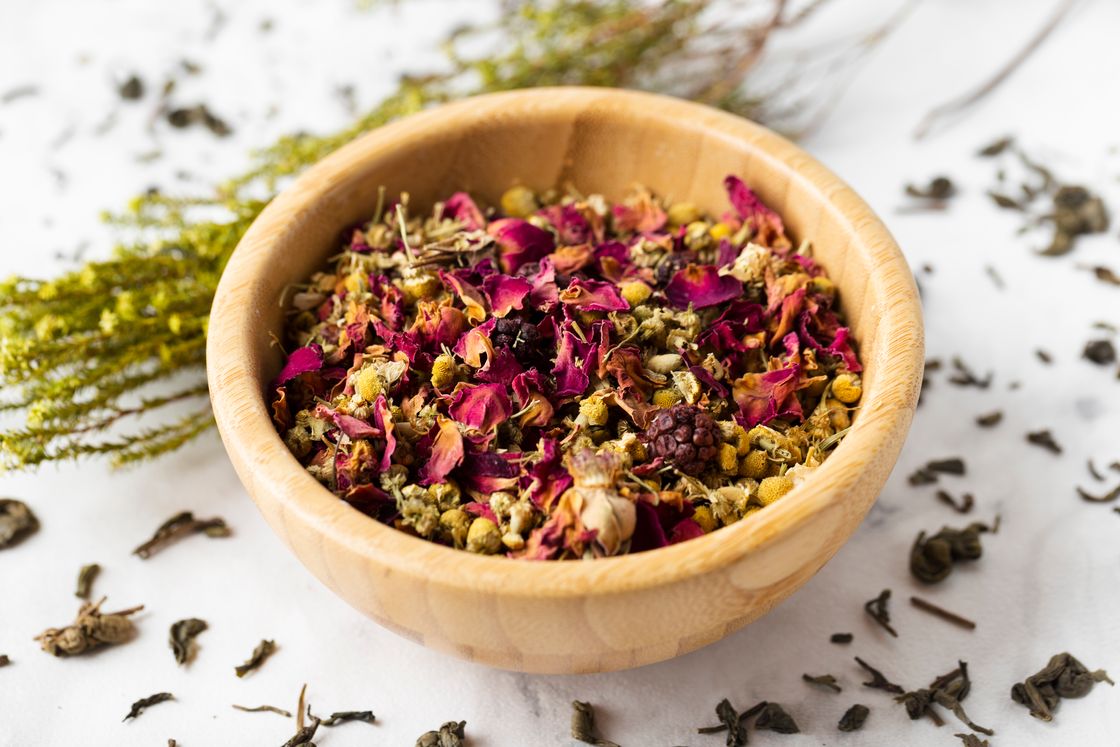

1. Why Blend Your Own Herbal Tea?
Personalization: Tailor flavor, aroma, and wellness benefits.
Freshness and purity: No additives or artificial ingredients.
Creativity: It’s like perfume-making, but delicious.
2. The Basics: Understanding Herbal Tea Ingredients
Break ingredients into categories:
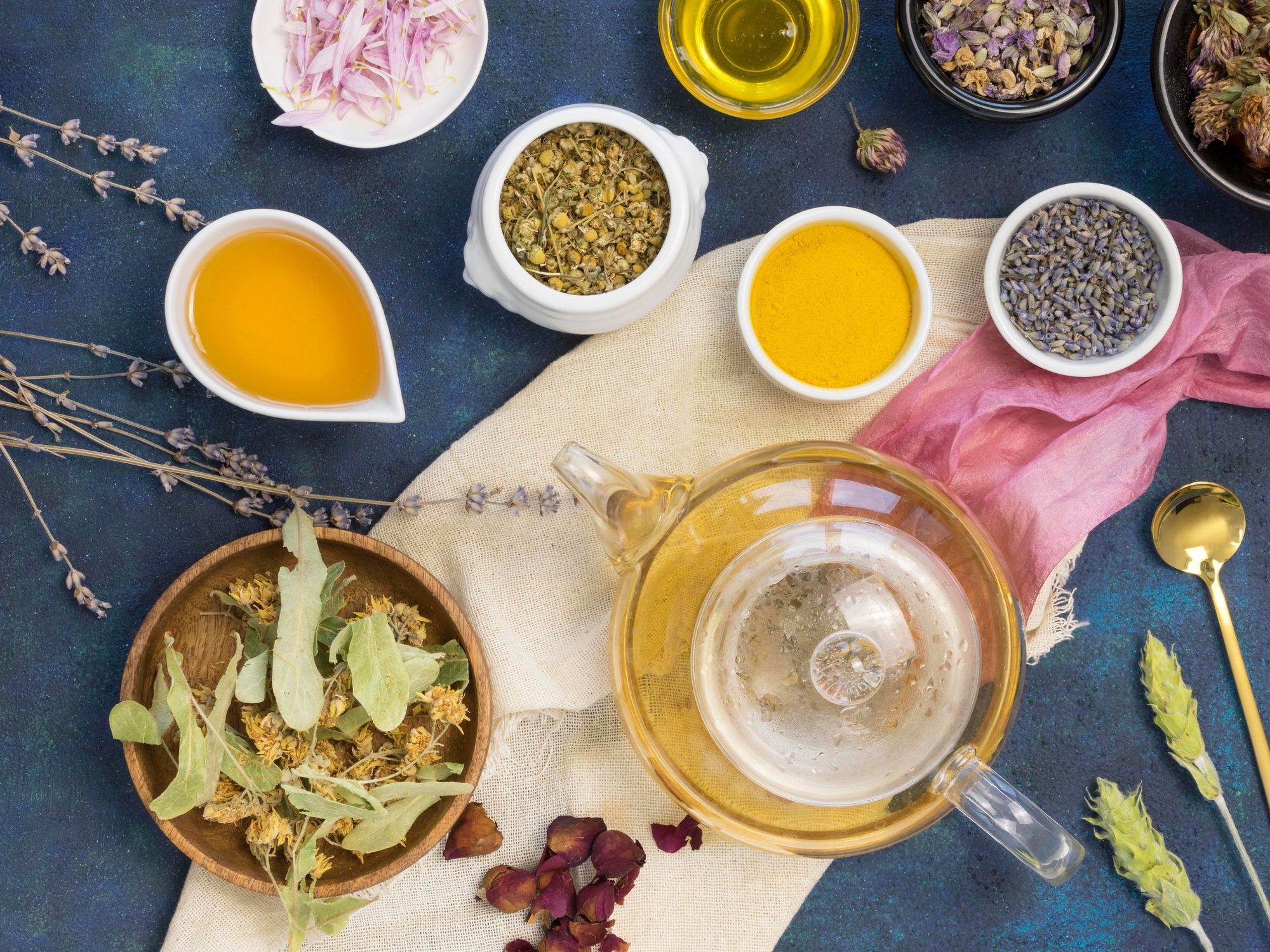
Base herbs (bulk + mild flavor): Rooibos, chamomile, lemon balm, tulsi.
Accent herbs (stronger flavor or benefit): Peppermint, lavender, ginger, fennel, lemongrass.
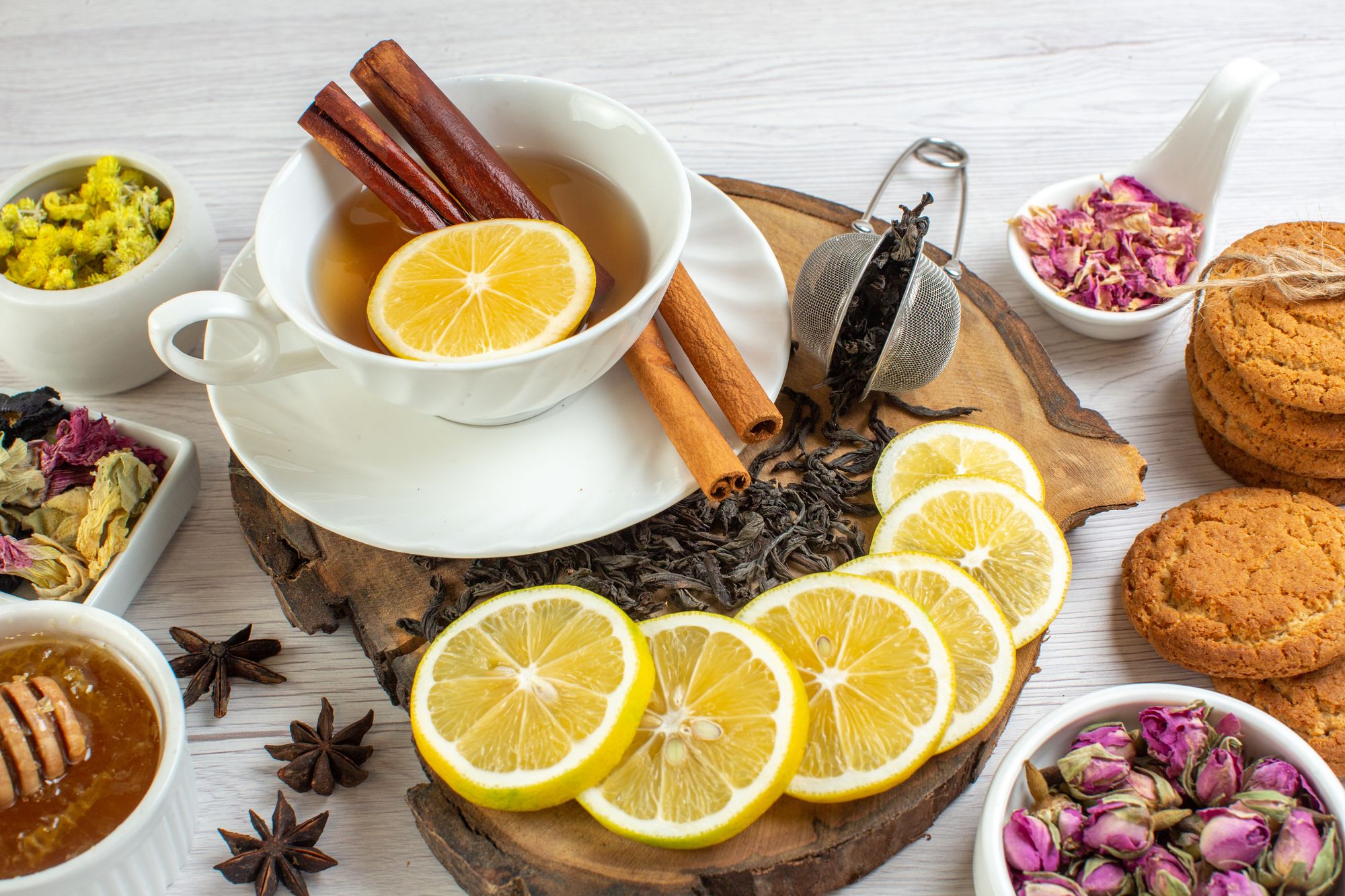
Top notes (aromatic flair): Rose petals, orange peel, cinnamon, hibiscus, star anise.
3. Tools You’ll Need
Measuring spoons / scale
Airtight jars or pouches
A mixing bowl
Optional: Mortar and pestle
4. Key Blending Tips
Start small: Mix in small batches (2–3 cups dry blend).
Use dried herbs: They store better and blend more evenly.
Ratio suggestion:
60% base
30% accent
10% top notes or extras
Let it rest: Let your blend sit in a sealed container for 1–2 days before brewing to harmonize.
5. Sample Blends to Try
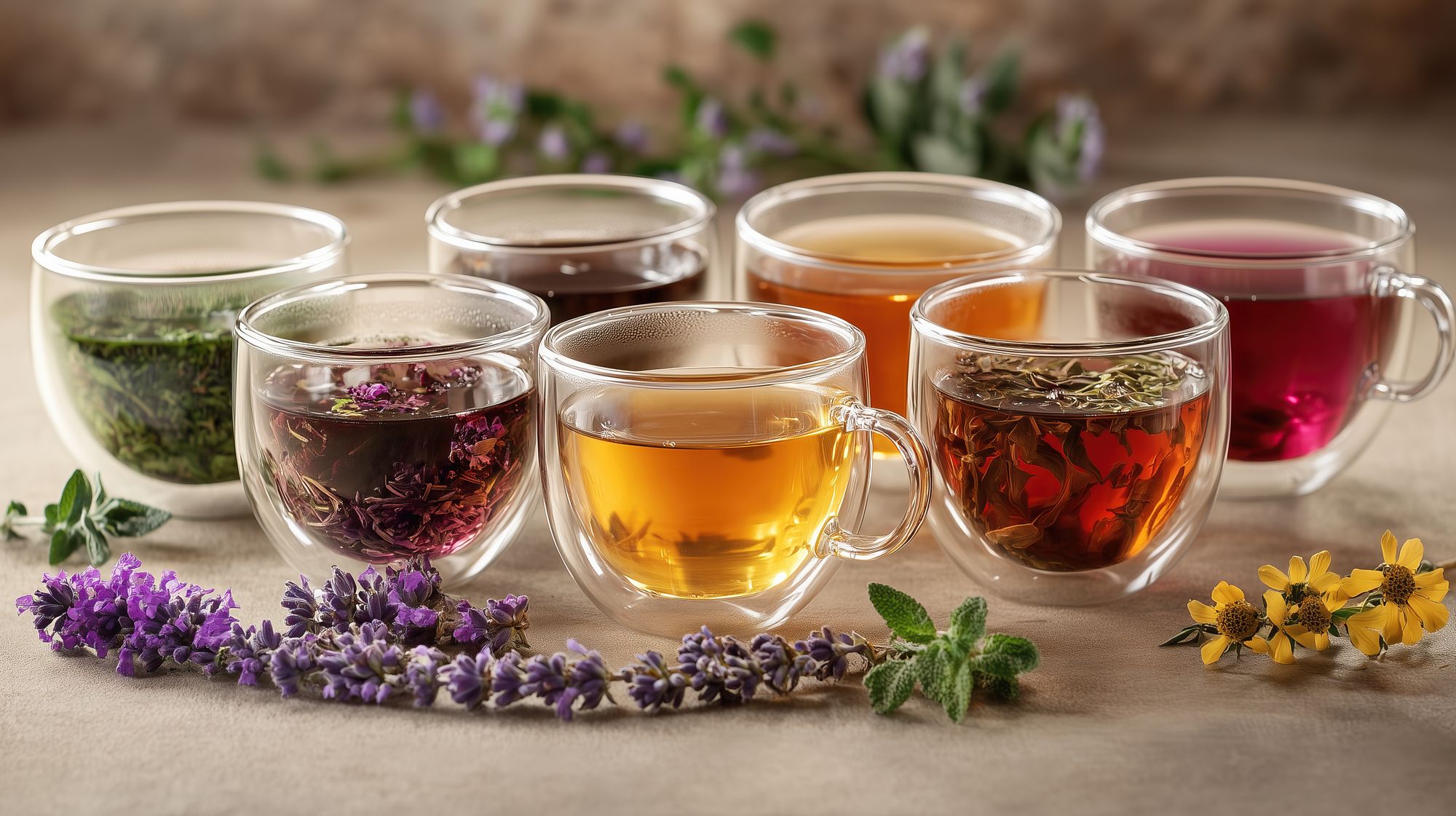
Relaxing Evening Blend
Chamomile, lemon balm, lavender, orange peel
Refreshing Digestive Blend
Peppermint, fennel seed, ginger, licorice root
Floral Delight
Rose petals, hibiscus, tulsi, cinnamon
6. Storage & Shelf Life
Store in a cool, dry place away from sunlight.
Use within 6–12 months for best flavor.
Final Thoughts
Encourage experimentation: “Tea blending is part science, part art, don’t be afraid to play!”